
Posts
-
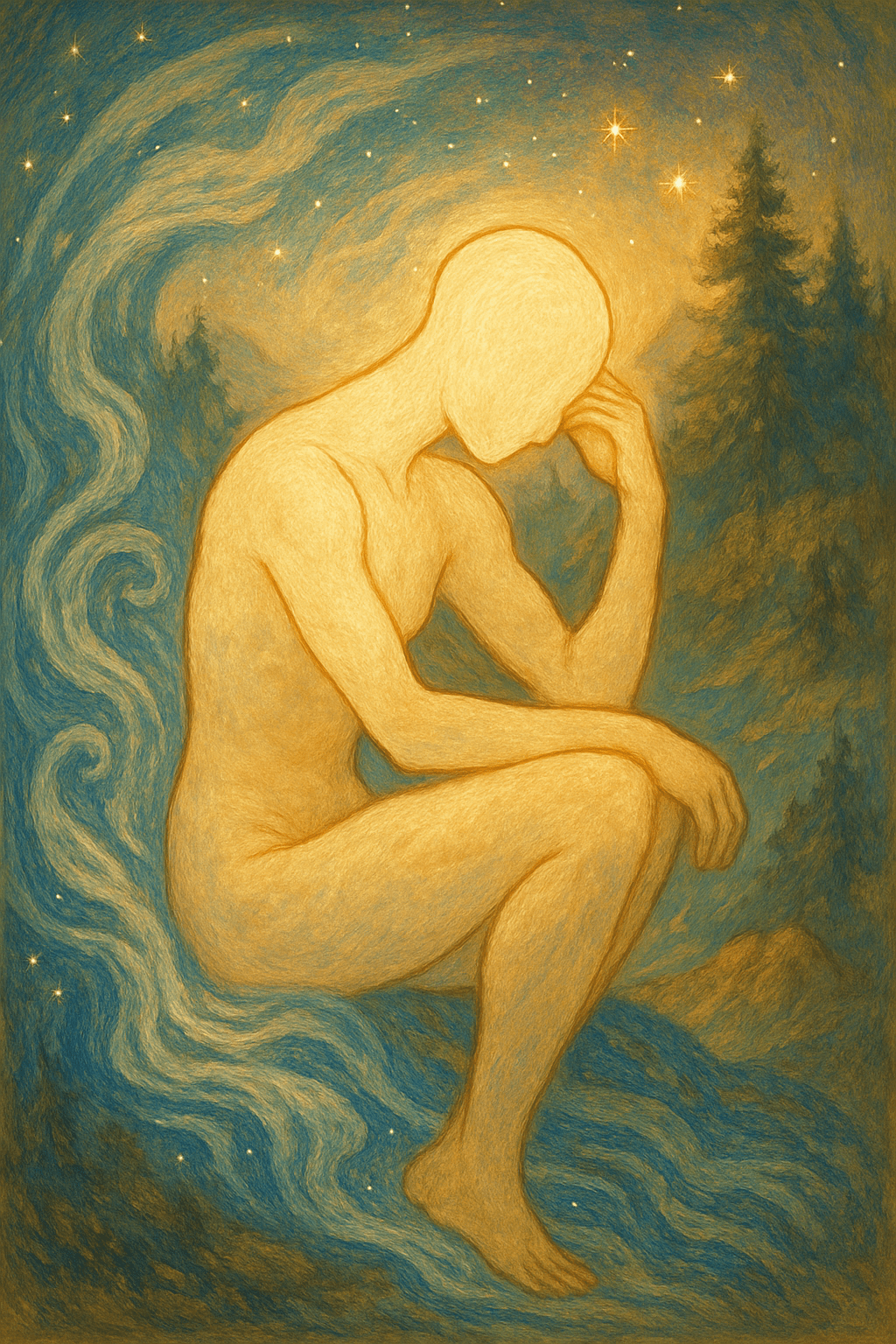
The Space Between
The body is a bridge connecting spirit and matter, enabling individuality, perspective, and choice. It fosters empathy by recognizing shared human experiences, emphasizing that all life is interconnected, shaping existence beyond separation into harmonious expression.
-
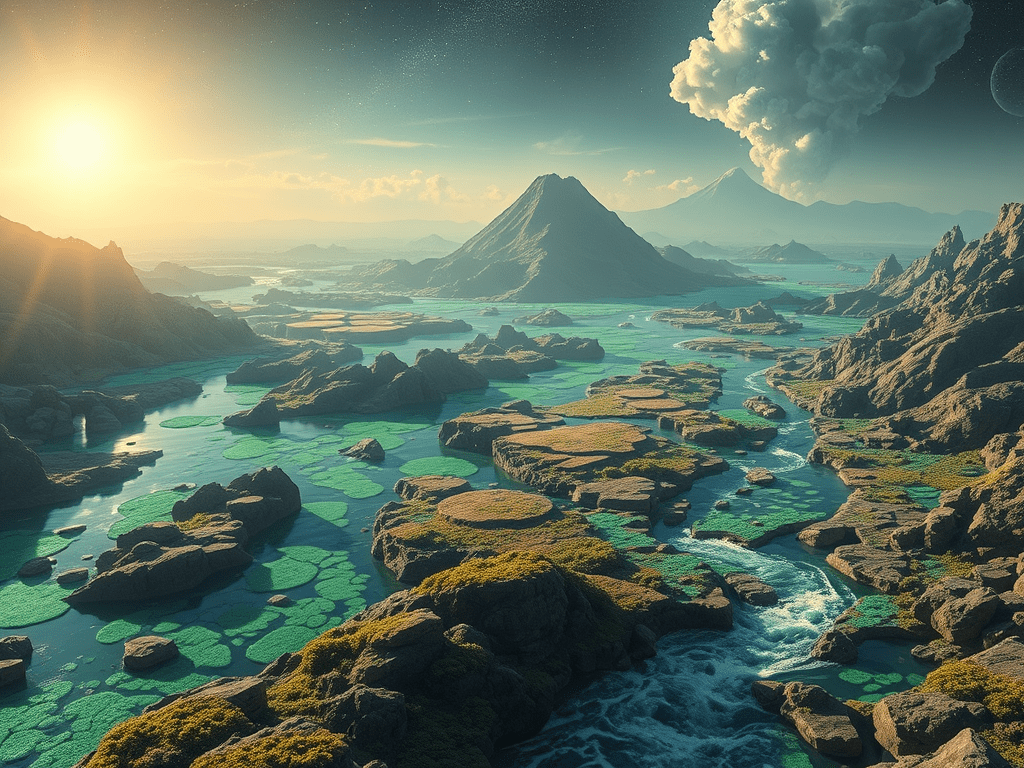
The Long Dawn
Around 2.1 billion years ago, following the Huronian Glaciation, Earth’s biosphere began to stabilize. Thawing glaciers released trapped organisms, enabling oxygen generation and the emergence of complex life forms, creating a self-sustaining web of life.
-
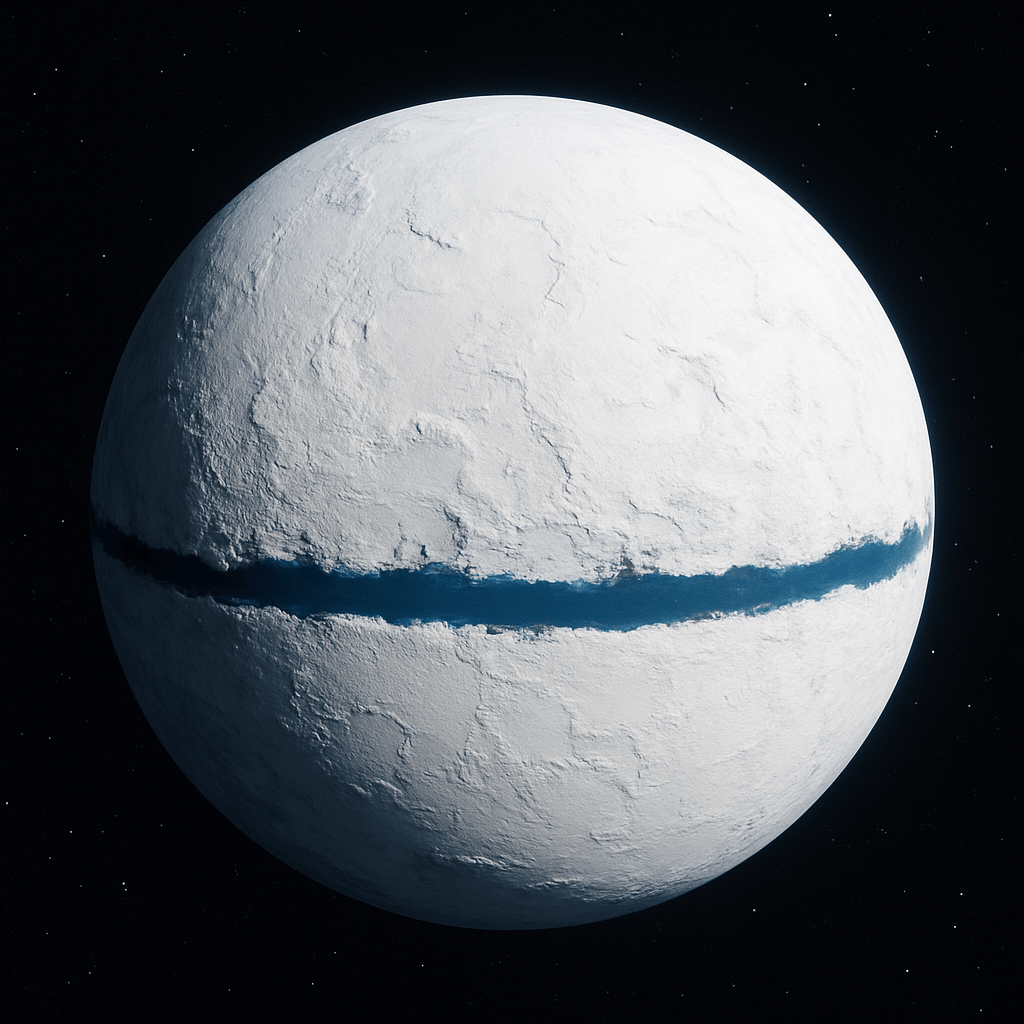
The Price of Breath
The Great Oxidation Event transformed Earth’s atmosphere, leading to the collapse of methane and triggering the Huronian glaciation, which caused mass extinctions but eventually set the stage for life’s resilience and future evolution.
-
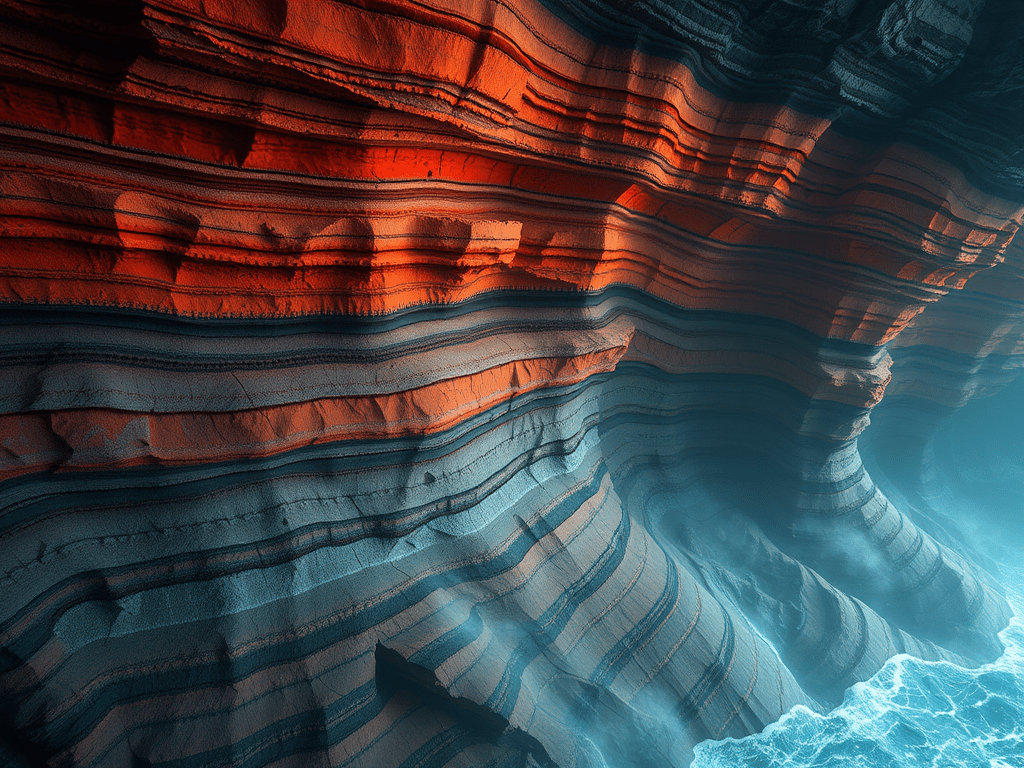
The Silent Flood
Around 2.7 to 2.4 billion years ago, cyanobacteria released oxygen into the oceans, creating banded iron formations. This process transformed ecosystems, challenging anaerobic life and paving the way for future life on Earth. Change became inevitable.
-
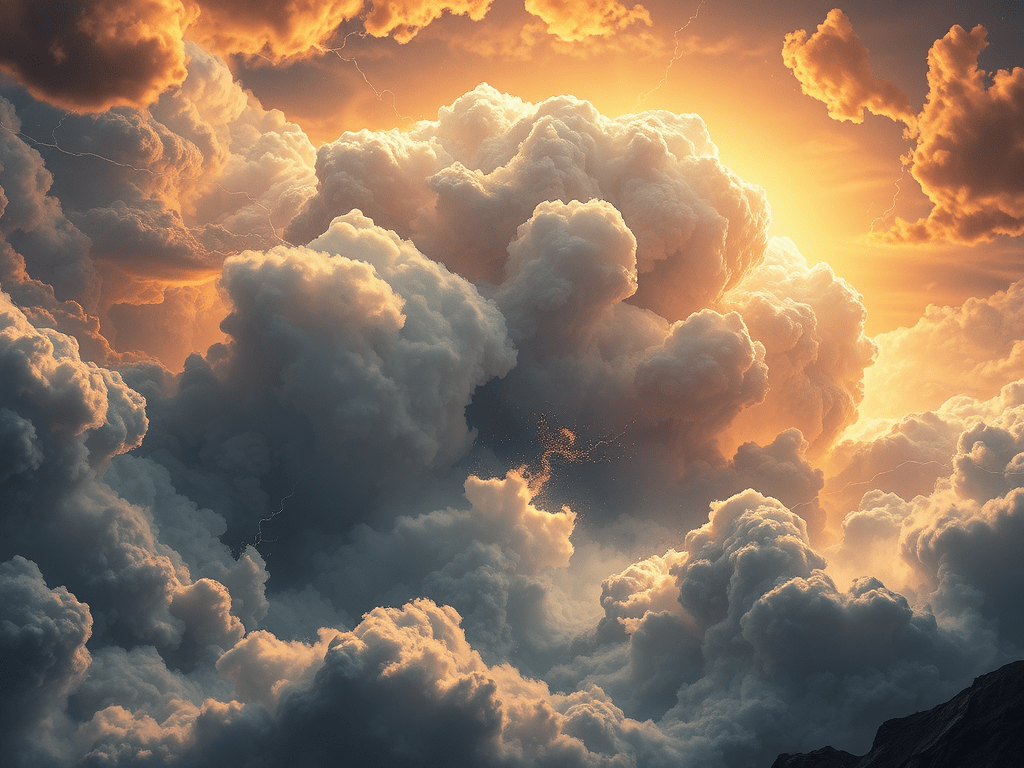
The Breath of Balance
The nitrogen cycle began 3.2 to 2.8 billion years ago, as microbes learned to transform nitrogen, enabling life to grow. This process established balance, allowing nitrogen to nourish organisms, shaping Earth’s ecosystems and sustaining life’s evolution.
-
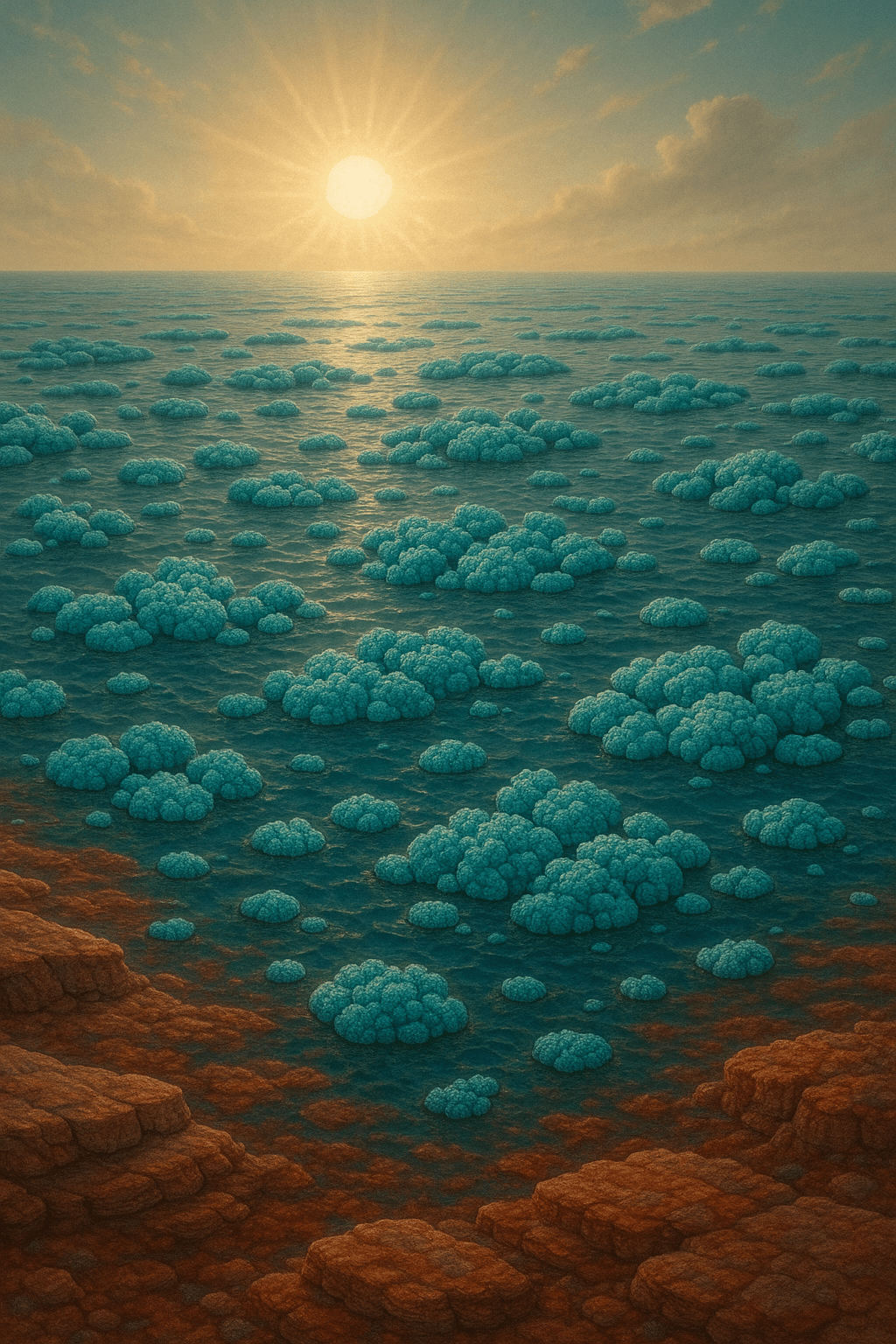
The Solar Revolution
Cyanobacteria transformed Earth’s atmosphere by producing oxygen through photosynthesis around 2.9 to 2.3 billion years ago. This enabled life to expand from limited environments into abundant ecosystems, fundamentally changing the planet’s chemistry and supporting diverse life forms.
-

The Making of Memory
The fossilization process transforms organic remains into rock through sediment burial, mineral replacement, and pressure over time. Early evidence includes stromatolites and microscopic filaments, showcasing life’s imprint as the planet’s geological memory.
-
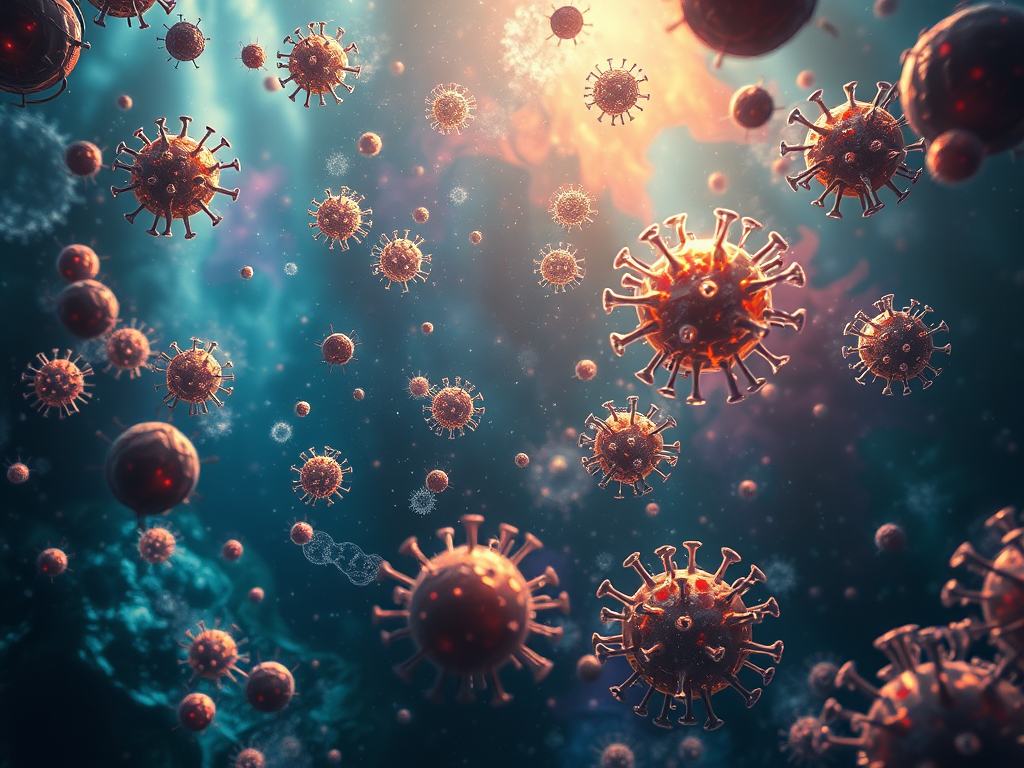
The Edge of Life
Viruses emerged approximately 3.5 billion years ago, existing in the space between life and non-life. They invade host cells, repurpose their machinery for replication, and ultimately drive evolution, intertwining destruction and creation within the fabric of life.
-
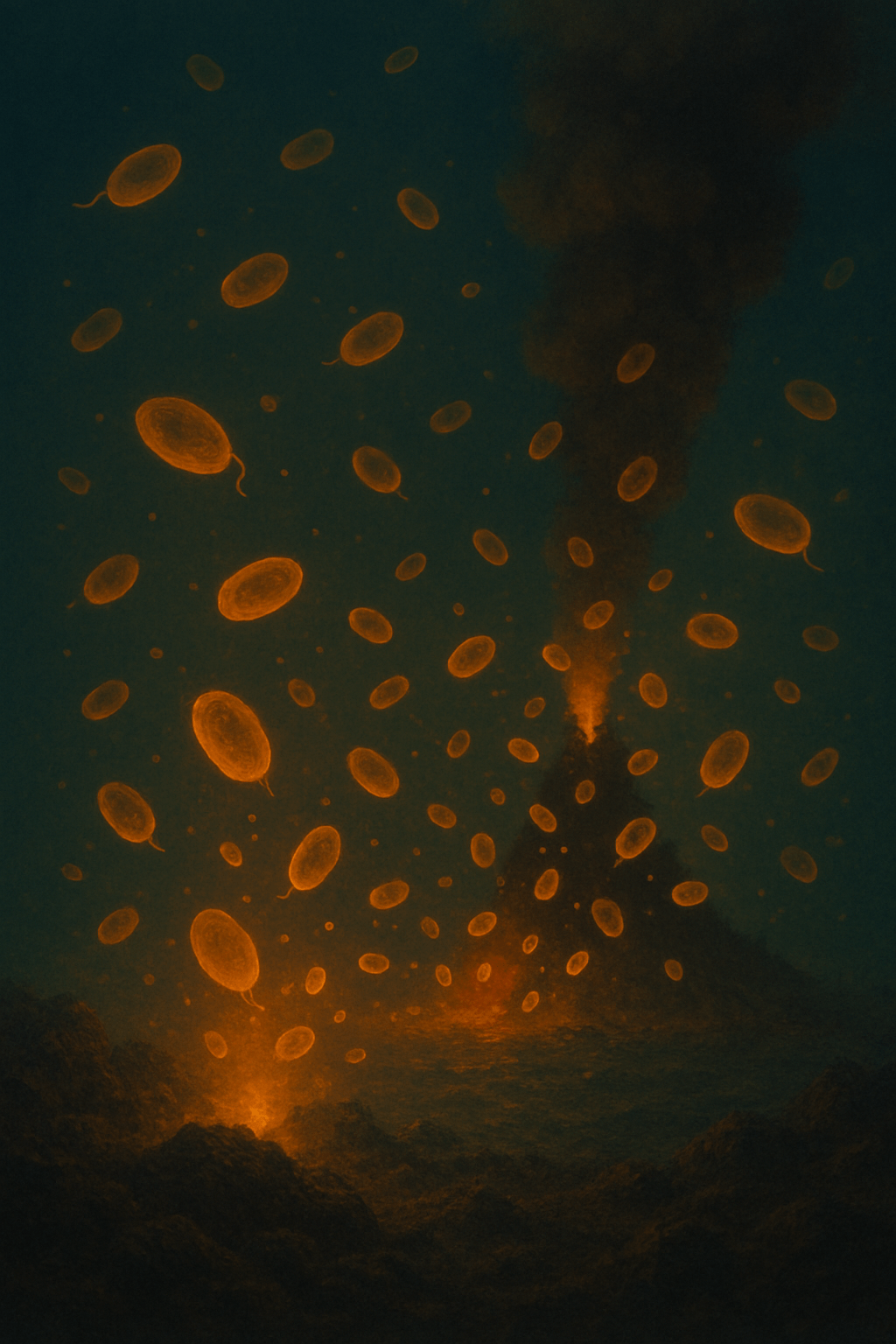
The First Family
The Last Universal Common Ancestor (LUCA), a simple organism existing around 3.5 to 3.8 billion years ago, gave rise to bacteria and archaea, showcasing life’s adaptability and connection across diverse environments and forms throughout Earth’s history.
 Project Pathfinder