
Posts
-
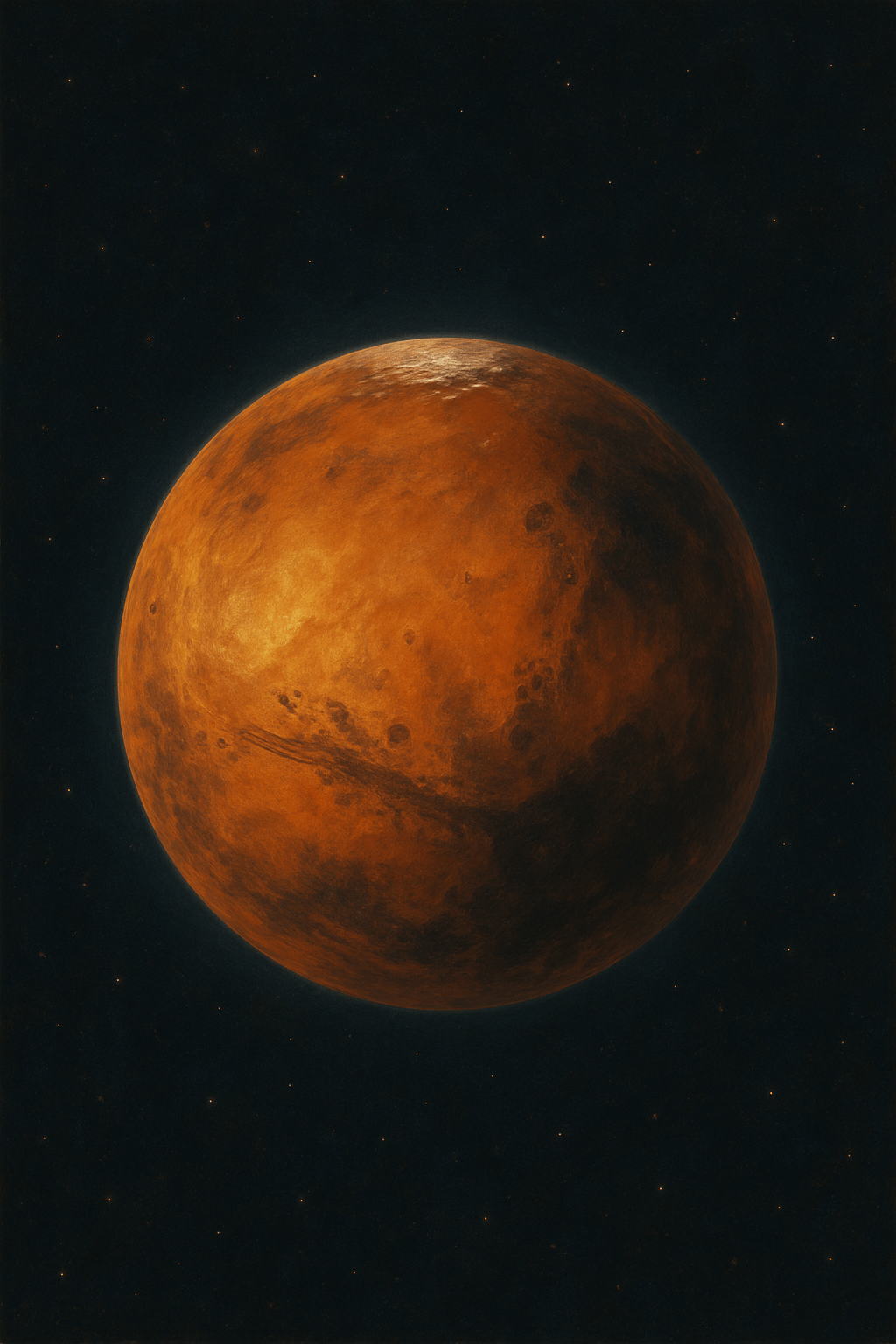
The Ghost of Rivers
Mars, the fourth planet from the Sun, once featured lakes and rivers, but now is cold and dry. It holds historical scars of water, captivating human imagination about potential past life and future exploration challenges.
-

Daughter of Earth
Approximately 4.5 billion years ago, Earth’s Moon formed from a massive collision with Theia, stabilizing Earth’s climate and rotation, influencing life, and becoming a powerful symbol across cultures, embodying a deep connection throughout human history.
-
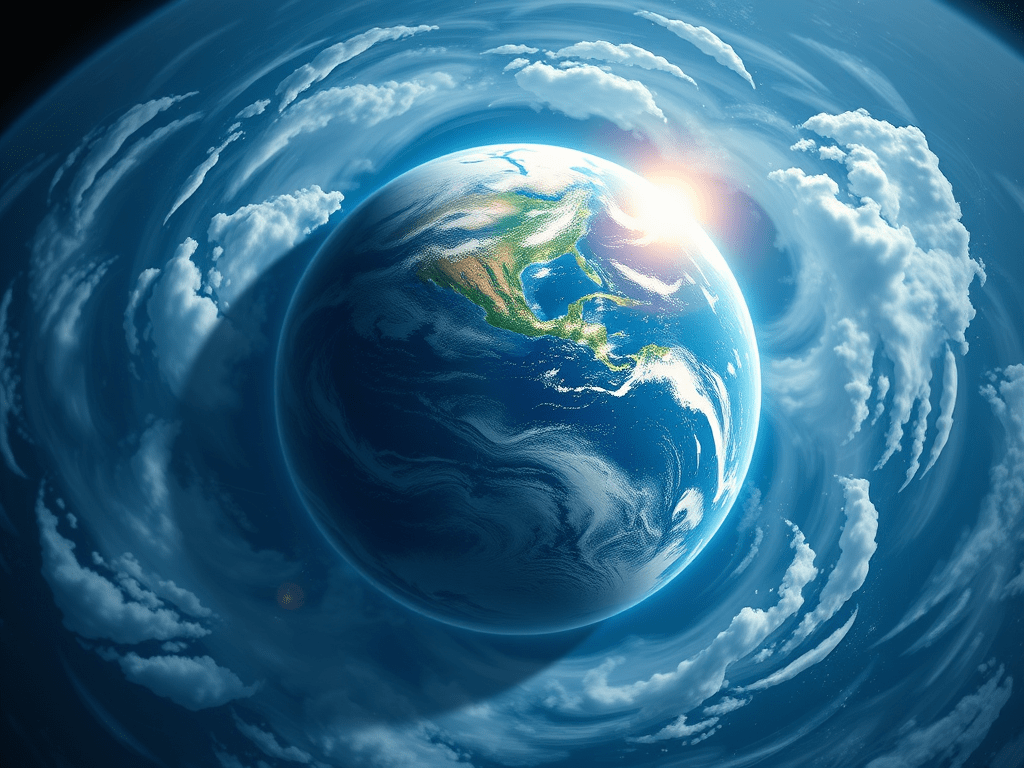
The Living World
The Earth, formed through chaos and collisions, uniquely supports life with its balanced environment. It features a dynamic surface, abundant water, and a biosphere, emphasizing unity over divisions. Viewed from space, it appears as a fragile, living world.
-
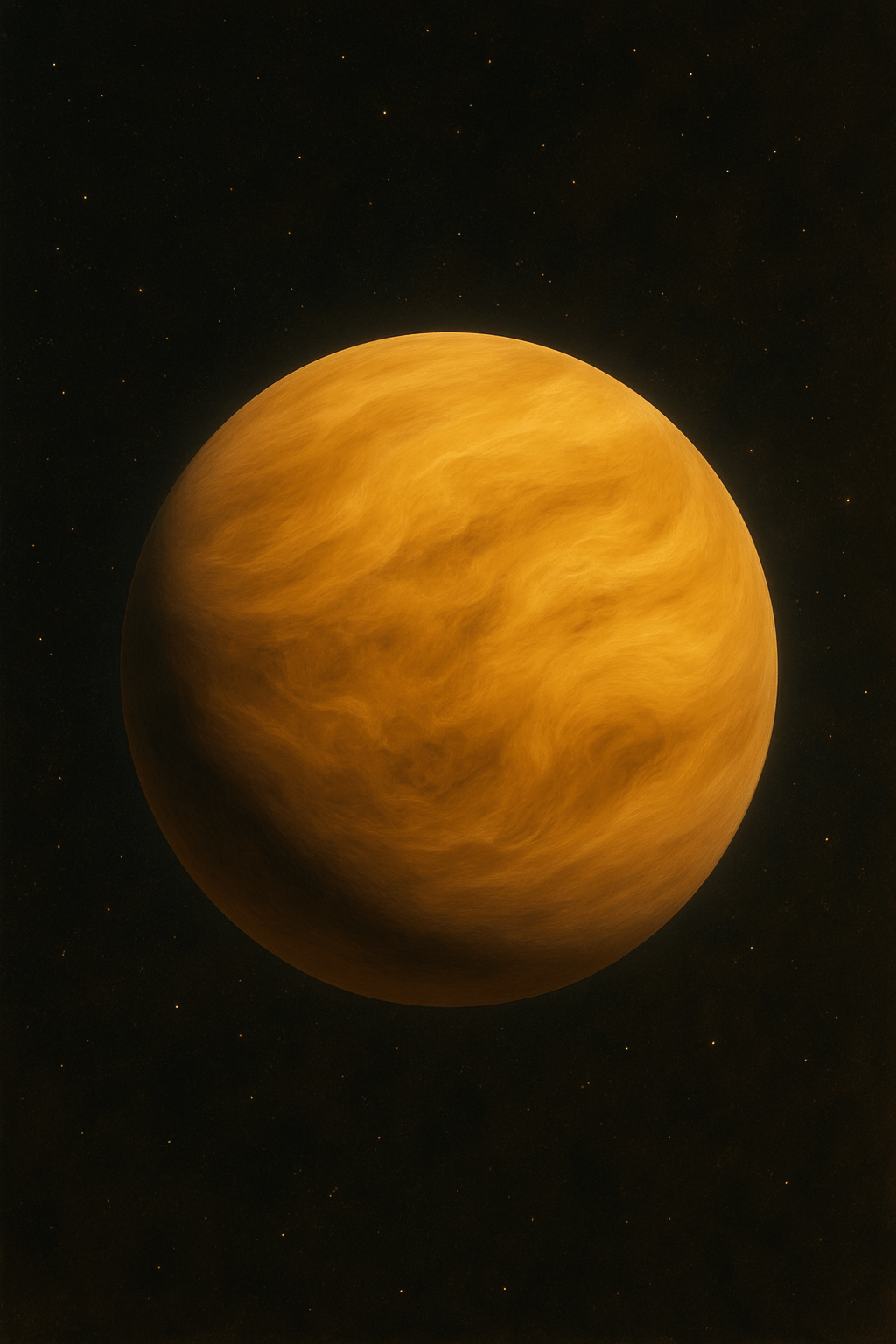
The Mirror of Fire
Venus, Earth’s twin, boasts a harsh environment with a thick carbon dioxide atmosphere, extreme temperatures, and no plate tectonics. Once envisioned as a lush world, it serves as a cautionary example of climate imbalance and planetary fate.
-
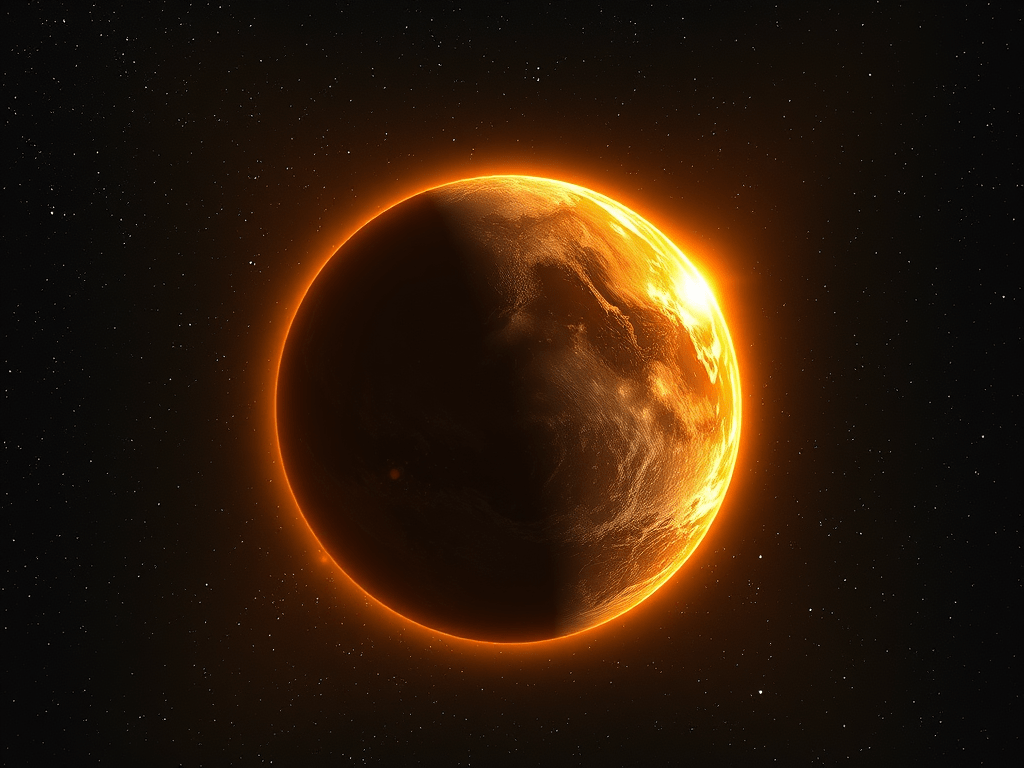
The Quick and the Still
Mercury is a paradoxical world—swift yet slow, scorched yet frozen. Once linked to gods and alchemy, it defied Newton and confirmed Einstein, revealing the universe’s complexity through its orbit, composition, and enduring mystery.
-
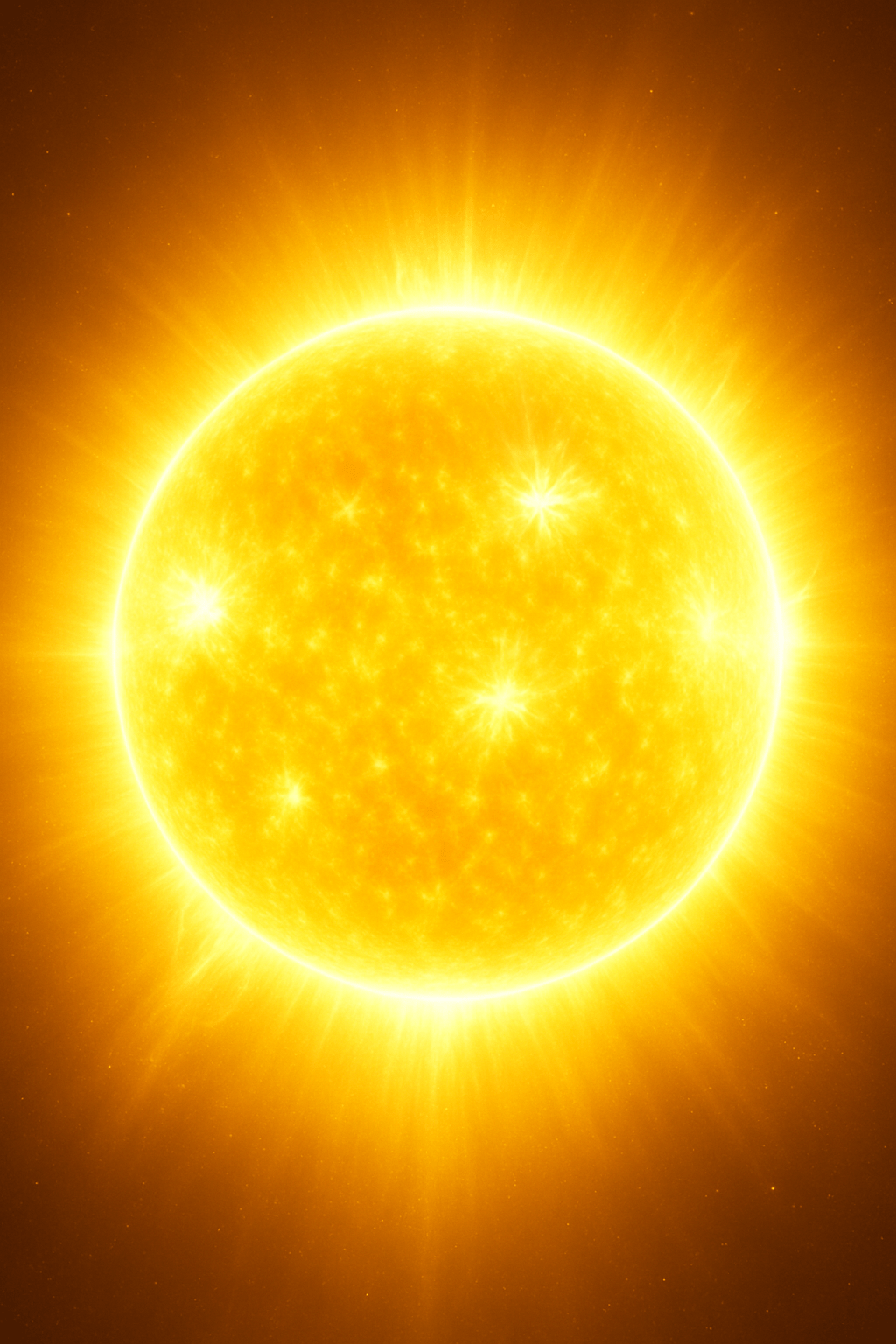
The Heart of the Sky
The Sun, originating from violent birth, maintains a delicate balance through nuclear fusion, sustaining life on Earth. As it evolves, it will ultimately become a red giant, transforming dramatically before fading into a white dwarf.
-
The Quiet Architect
Around 4.56 billion years ago, after the Sun ignited, the solar system emerged from chaos as the solar wind cleared dust, shaping an accretion disk. The frost line defined rocky planets within and gas giants beyond, creating conditions for life.
-
The Sun’s Cradle
The Sun was born approximately 4.6 billion years ago from a molecular nebula. A shockwave prompted its formation through density collapse and hydrogen fusion, leading to the creation of our solar system’s diverse celestial bodies.
-
The Gardeners of Matter
Metal-rich stars, formed from supernovae remnants, represent evolutionary progress in the universe. They facilitate the creation of complex planetary systems and essential elements for life, marking a significant shift from simple hydrogen clouds to diverse cosmic possibilities.

