
Posts
-

The Web Between Stars
The formation of galaxy clusters and cosmic filaments began 2–4 billion years after the Big Bang, creating a vast cosmic web of connected galaxies. This web symbolizes unity, showcasing the interconnectedness of the universe and its structures.
-

The Shape of Galaxies
The early universe saw matter clumping due to gravity, leading to galaxy formation. Dark matter’s gravitational influence was crucial, shaping galaxies into spirals, ellipticals, or irregulars, while some fragments remained unformed or lost potential.
-
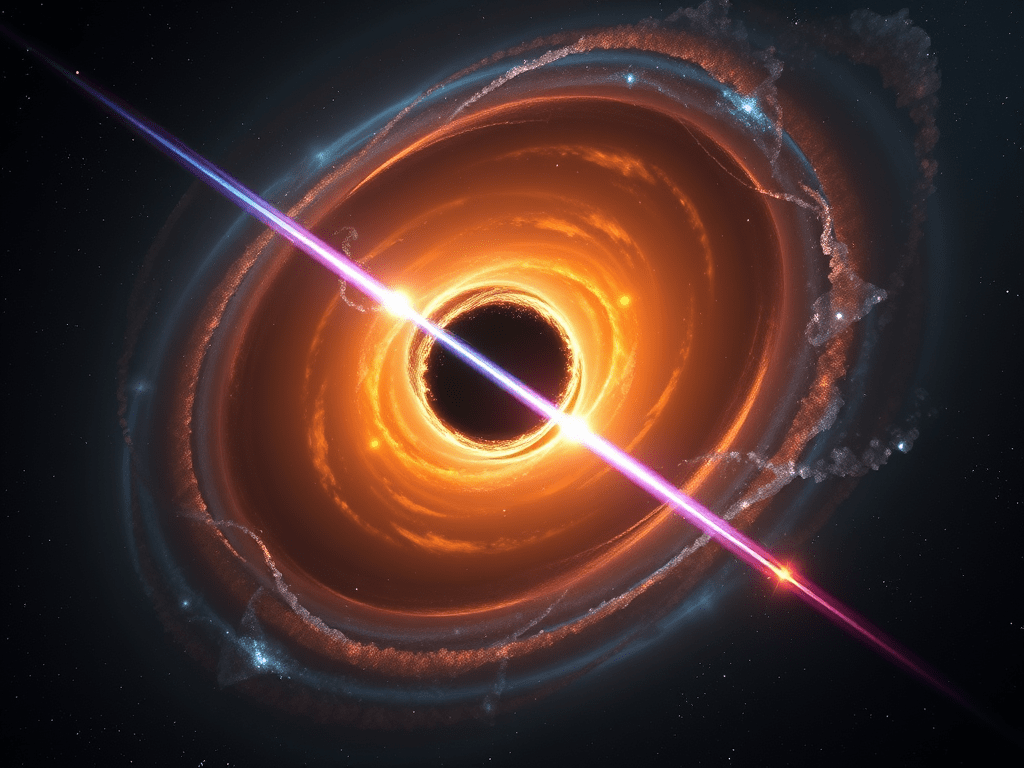
The Brightest Hunger
Quasars, ancient cosmic phenomena formed by feeding black holes, illuminate the universe with intense energy during their peak. They result from galactic collisions, creating turbulent accretion disks. Eventually, they fade as resources diminish, leaving a silent remnant.
-
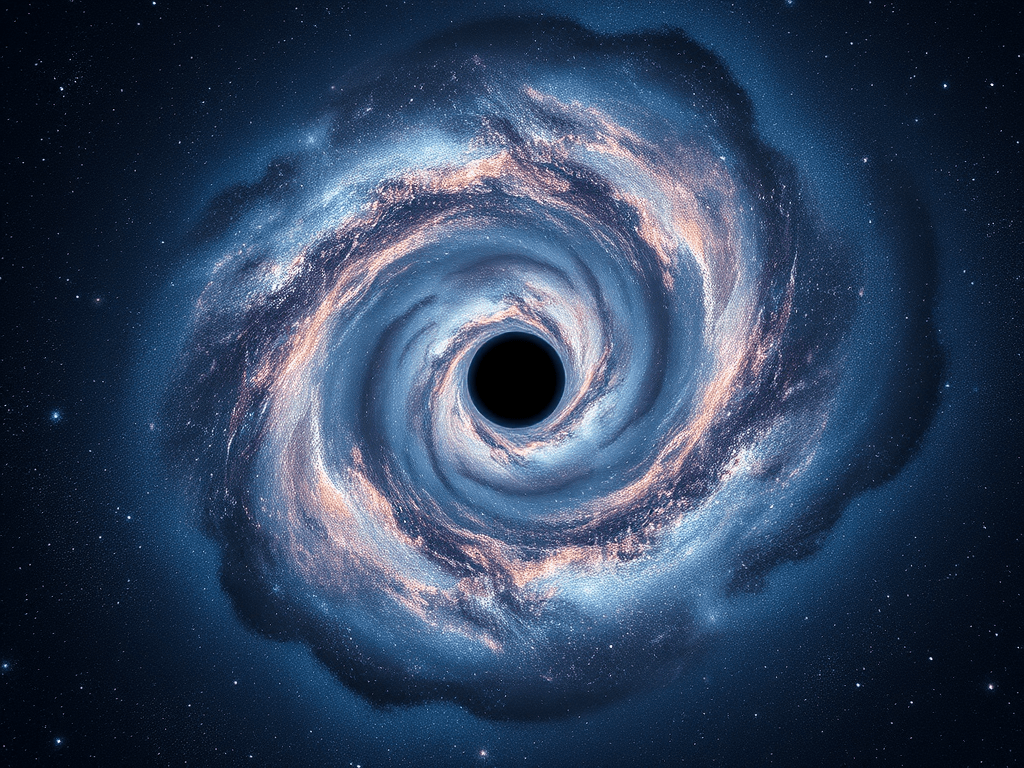
The Heart of the Swarm
Galactic cores, formed roughly 100 million to 1 billion years post-Big Bang, host supermassive black holes that anchor galaxies, regulate star formation, and shape cosmic structures through gravity, influencing both their growth and final morphology.
-
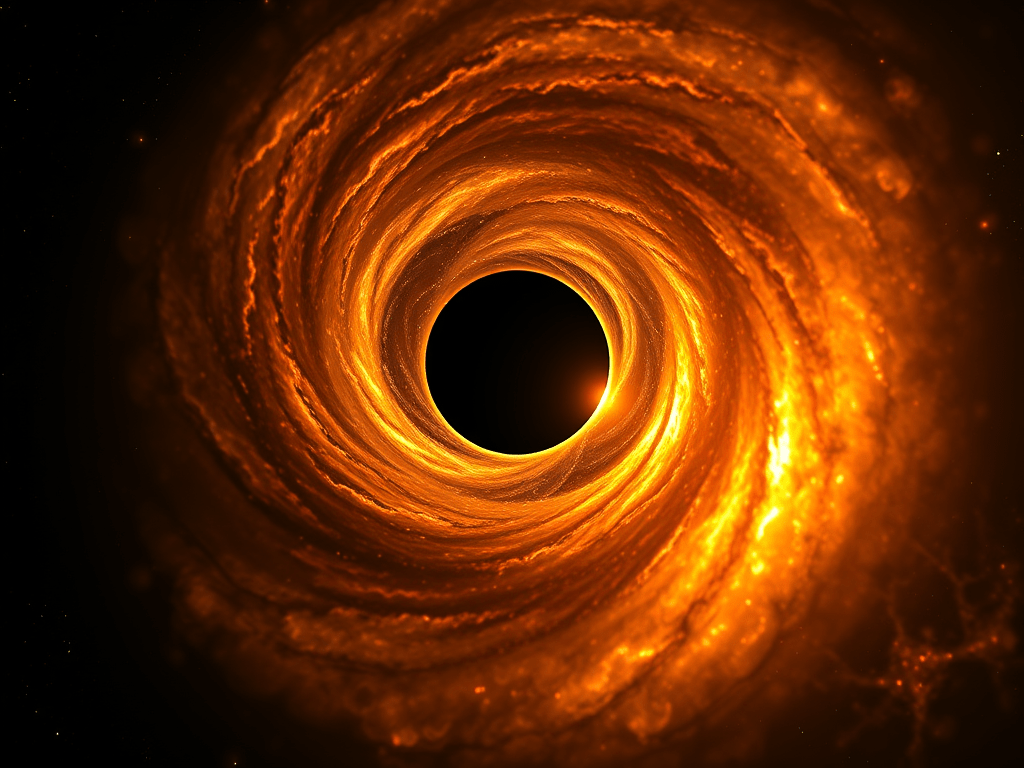
The Edge of Knowledge
Stellar-mass black holes form when massive stars exhaust their fuel and collapse under gravity, creating regions where space and time distort. Crossing their event horizon leads to irreversible loss of matter and information, posing profound mysteries.
-
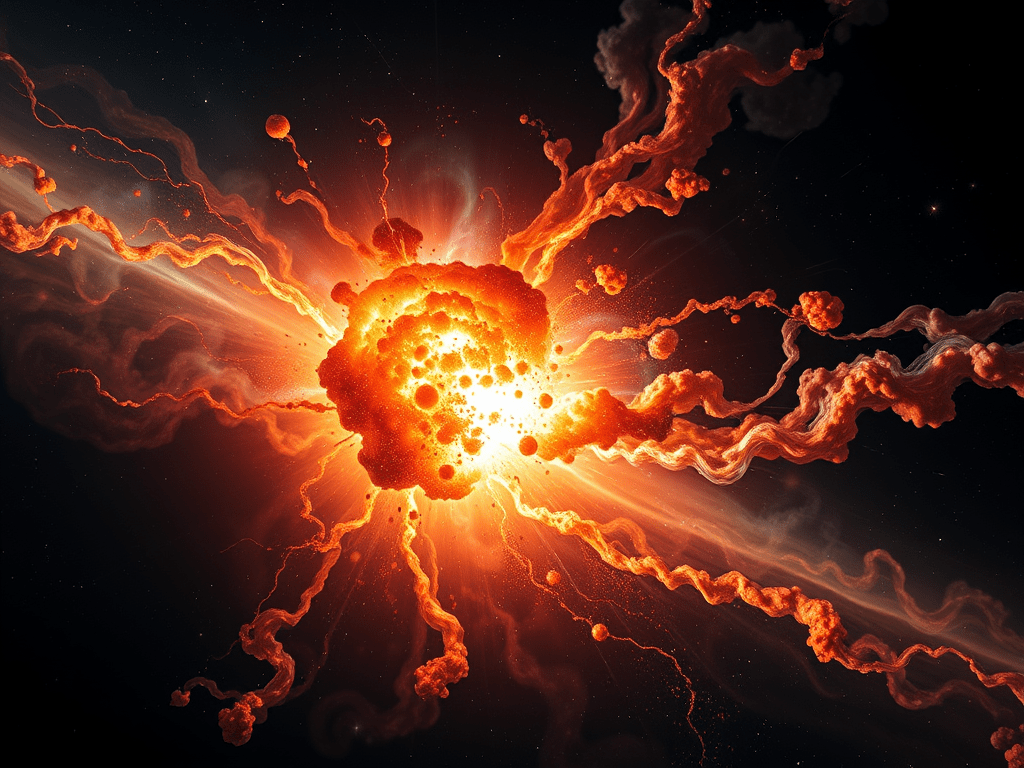
When Giants Die
Supernova explosions mark the violent death of massive stars, leading to neutron stars or black holes. They release immense energy and create heavy elements, reshaping the cosmos and giving rise to new stars, planets, and life.
-
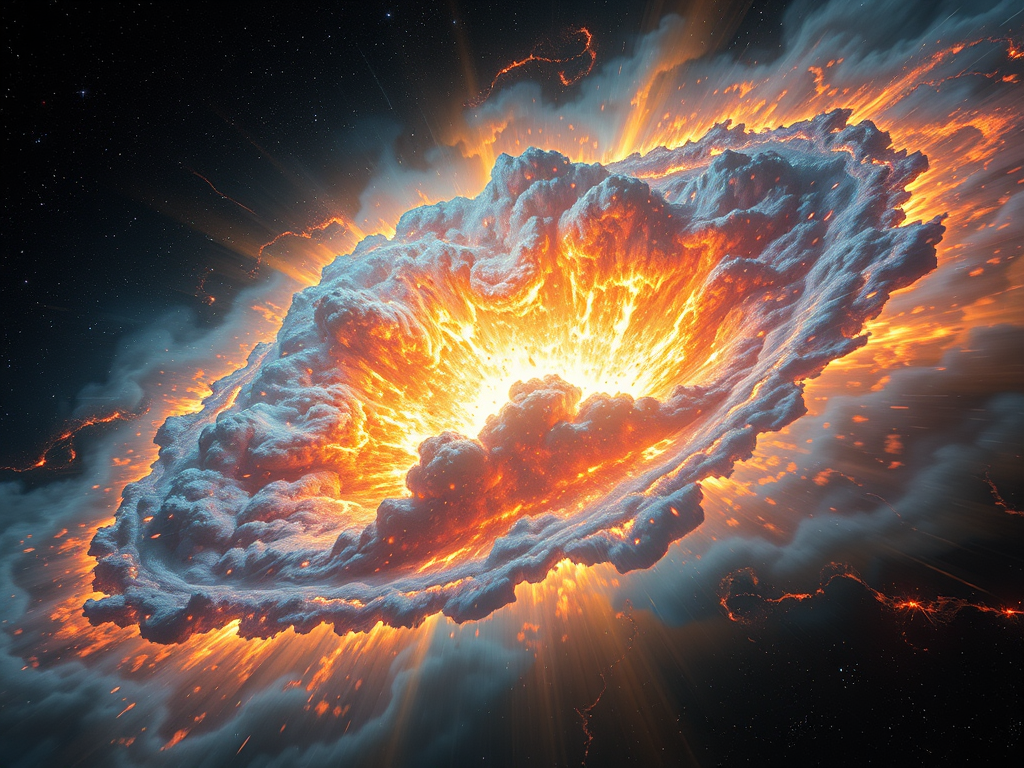
The Forge Within
Stellar nucleosynthesis describes the process of element formation within stars, starting from hydrogen, helium, and lithium. Massive stars create heavier elements during supernovae, representing both destruction and creation, ultimately linking humans to the cosmos through stardust.
-

Furnaces In the Dark
Stars, abundant in the universe, exist in various classifications based on temperature and lifespan. They balance gravity and nuclear fusion, shaping elements before transforming into different forms, contributing to the cosmos and our existence.
-

The Mothers of Matter
The universe transitioned from darkness to light approximately 100–250 million years post-Big Bang with the ignition of Population III stars. These primordial stars facilitated cosmic evolution, enriching the universe with essential elements for life.

